#1 and #3
Props
There are two kinds of props: tighthead and loosehead. Their primary job is to anchor the scrum as part of the front row. Driving mauls, winning rucks, and lifting players in line outs also fall into their duties.


Learn
Master the fundamentals of rugby and understand the game that Legion plays — brought to you by California Legion.
Rugby was founded in 1823 by William Webb Ellis at the School of Rugby in England. During a soccer match, Ellis proceeded to pick up the ball and run with it. And thus rugby was born. The sport made its way to the shores of America, where over the course of time rule and regulation changes led to what we know as American Football today.
A flow sport just like soccer, the match only stops when a penalty is committed or the ball/player in possession of the ball goes out of bounds. You can only pass the ball sideways or backward but can kick the ball forward at any point in open play.
The object of rugby is to carry the ball over the opponent's tryline and ground the ball to score. Once this happens, the original touchdown, five points are awarded to the team who scored a try. Wherever the ball was dotted down determines the line in which any player on the pitch can attempt to kick a conversion through the uprights for two more points.
The only other times where points can be earned are with a penalty kick or a drop goal. If a penalty kick or drop goal is converted, their team will rack up an additional three points.
Referred to as 'the pitch', rugby has one of the largest fields in the sporting world: 100 meters long by 70 meters wide.
There are 15 players on the pitch, and 23 rostered for match day. Positions are specific to the number on the jersey. There are two types of position: forwards (1–8) and backs (9–15).
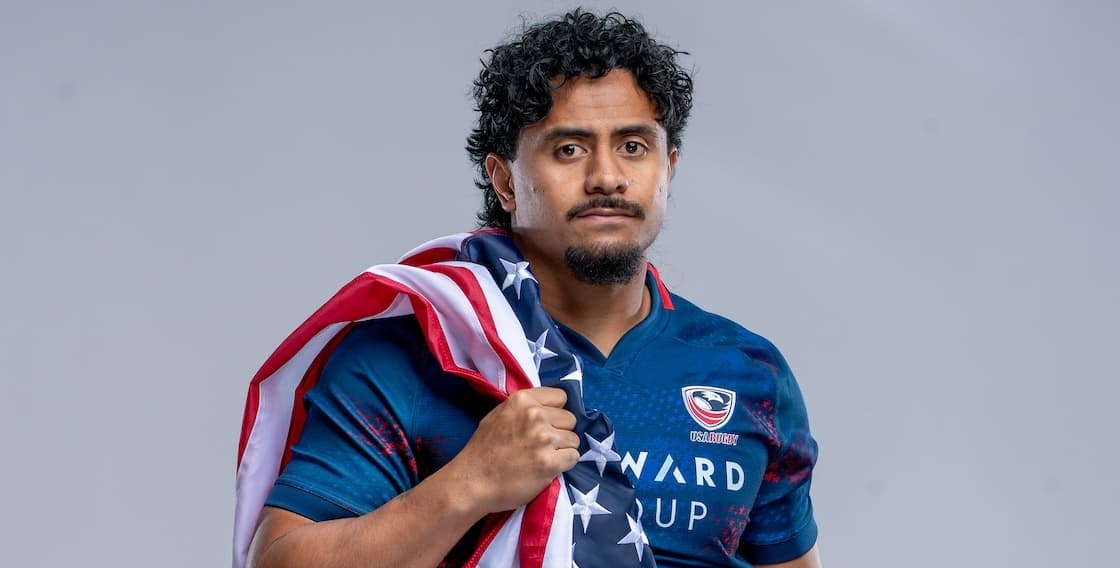
#1 and #3
There are two kinds of props: tighthead and loosehead. Their primary job is to anchor the scrum as part of the front row. Driving mauls, winning rucks, and lifting players in line outs also fall into their duties.
#2
The hooker has two specific roles beyond being physical in open play, and that's to win possession in scrums by hooking the ball with their foot back towards their team and throwing in the ball during line outs.
#4 and #5
Typically the tallest players on the pitch, locks use their size and strength to win restarts, steal the ball in line outs, and provide stability in the scrums.
#6 and #7
The flankers' main role is to force turnovers in the tackle and at the breakdown, and maintain possession when ball is in hand. Their speed in decision making and contact is crucial.
#8
The number 8 looks to secure possession at the back of the scrum, carry the ball in open play, and is a strong defender. Look for this player to 'pick and go' from the back of the scrum.
#9
The scrumhalf acts as the link between the forwards and the backs in both set pieces and open play. Scrumhalves have a consistent pass paired with good decision making and communication skills.
#10
The flyhalf works with the scrumhalf to make play calls and decisions on attack. A solid boot and game knowledge helps the flyhalf make strategic decisions for the team in phase play.
#11 and #14
The wings tend to be your fastest players, set to break the gainline and score tries when they receive the ball in space. Their defensive role is a tough one: requiring them to make open pitch, try-saving tackles.
#12 and #13
There are two types of centers: inside (12) and outside (13). Centers bring power, speed and flair on attack, looking to cut up the defense with strike lines. Defensively, they shut down the opposing backs.
#15
Considered the last line of defense, the fullback works with the wings as the 'back three' to prevent tries with their textbook tackling, shepherding, communication skills and delivery of clearing kicks.
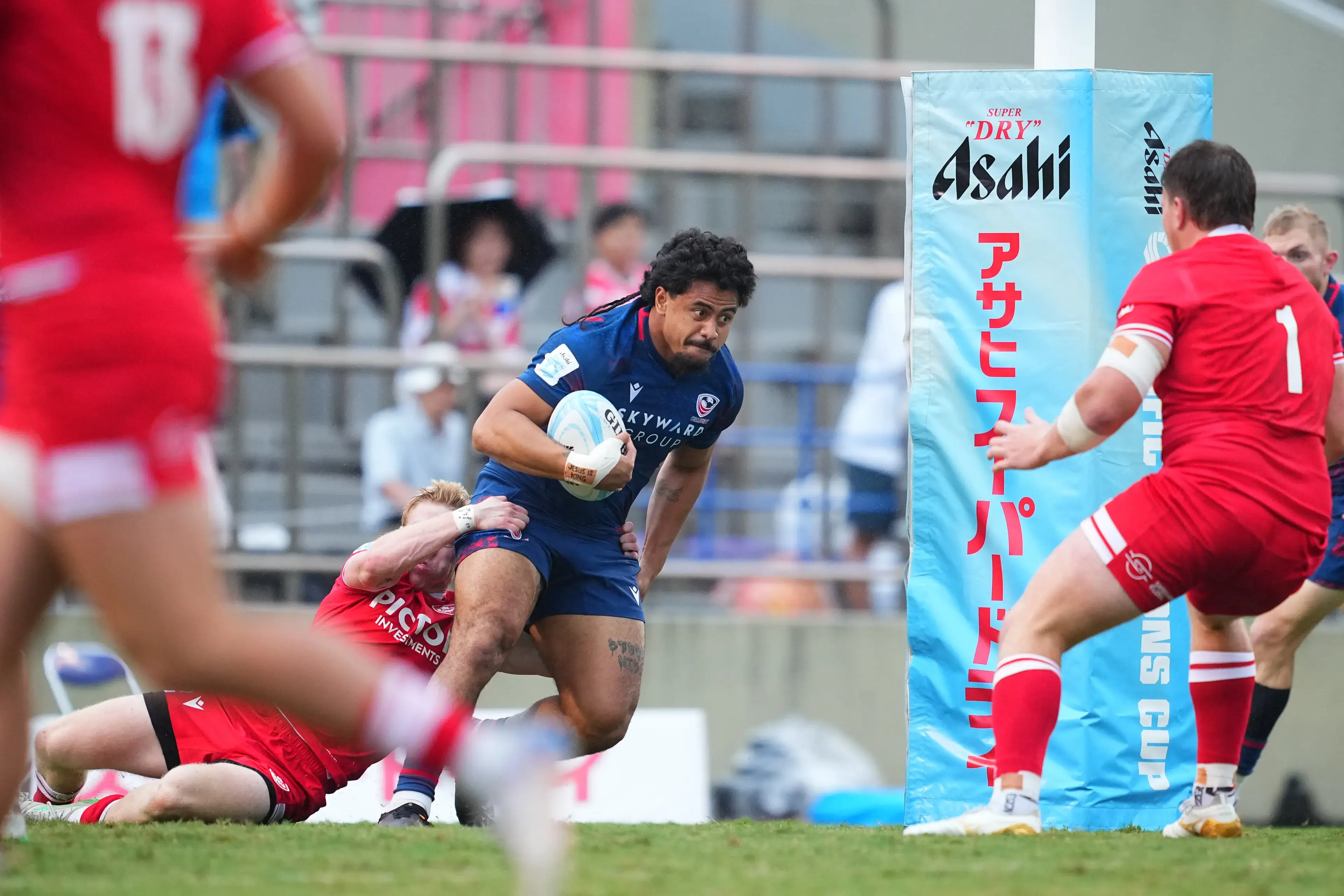
The USA Men’s Eagles fought to the wire with a final phase push that ended in the Canadians favor closing out the Pacific Nations Series in a bitter 16-19 ending.